There are roughly four ways to farm wine of any kind of food crop. The most common (90% of all wine) is conventional wine-growing. This makes use of man-made or so-called “synthetic chemical” treatments: pesticides and fungicides to deal with the bugs that can destroy vines, herbicides to control weeds, water-soluble chemical fertilizers to boost grape yields, and so on.
Sustainable wine-growing or Integrated Pest Management (IPM) is an increasingly popular form of light-touch conventional wine-growing. So for example rather than spraying the whole vineyard with a pesticide, checks are made and only those few vine rows likely to be attacked by the pest are sprayed instead. This saves money, and reduces enviromental waste but without necessarily eliminating the synthetic sprays altogether.

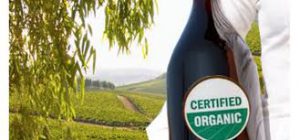
Organic wine – growing goes one step further than sustainable by eliminating the man-made pesticides, weedkillers and fertilizers altogether. To claim organic status, farmers submit to independent checks called organic certification. Organic vineyards tend to use more manual (rather than mechanised) labour and produce 5-20% less grapes than conventional ones. This increases the costs of a bottle but organic growers say it is worth it. With lower yields the vines are healthier, less prone to disease, the wines are less likely to contain undesirable residues and the wines have more flavour and age in bottle better. Around 1 in 20 vineyards worldwide is now officially organic, but numbers are rising rapidly especially in Italy, France, Oregon, Chile, Australia, New Zealand and California. Pretty much everywhere on Planet Wine in fact.
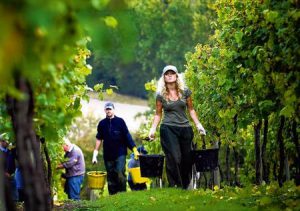

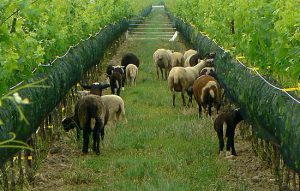
Biodynamics is like organics – all biodynamic vineyards must comply with the international rules laid down for organics – but biodynamic growers must do three extra things compared to their organic counterparts. They must aim for self-sufficiency, try to work to celestial cycles, and use six biodynamic preparations in their compost piles and the three biodynamic sprays on their crops.
Wine, food, cloth and other farm-derived products wanting to be officially considered Biodynamic are certified by an international, non-profit body called Demeter. The name refers to the Greek goddess of the fruits of the earth.
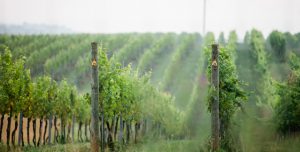
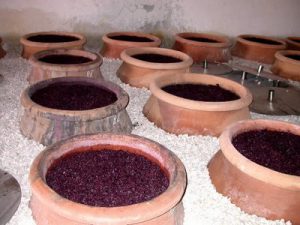
Natural wine is an important, growing if still slightly niche trend. Natural winemakers often use organic/biodynamic methods in the vineyards but are opposed to any form of independent certification. With no one checking on what they do ‘natural’ winemakers run the risk of being seen as opportunistic, jumping on the green bandwagon without having to jump through any bureaucractic hoops.
Their main focus is on making wine in as “natural” a way as possible by reducing or eliminating any additives, the main one being sulfur dioxide (sulfites). This preservative allows wine to age in bottle longer, but may cause allergic reactions in a small minority of drinkers (there is no evidence to suggest sulfur dioxide adds to the “hangover” effect).
If you are worried about sulfites look for wines labelled “no added sulfites” or “no detectable sulfites.” See also the Orange Wines, below.
Biodynamic rules force winemakers to use minimal intervention in the winery not just in the wine but water for cleaning, energy use for pumps, new barrels, and packaging (bottles, capsules, boxes, even the type of ink on the label).
WHY SHOULD WE DRINK ORGANIC/BIODYNAMIC/NATURAL WINE?
The main reason is taste.
Not everyone agrees organic/biodynamic/natural wines taste better (although we like to think so…!), but pretty much everyone agrees they taste different. Grapes from a conventionally run vineyard where weeds are burnt off with herbicides and mite pests are controlled with synthetic pesticides simply cannot taste them same as grapes from vineyards in which weeds were allowed to grow naturally and mites were discouraged with stinging nettle or chamomile teas. Plenty of organic growers even drink the teas they spray on the vines, because they are healthful, tasty and safe.
The era of cheap wine is coming to an end for two reasons. Fossil fuels are becoming more expensive and being heavy and fragile this makes it more expensive to get wine bottles into our shops. Second, until now, wine-growers didn’t have to pay for any mess they left behind in terms of potentially toxic spray residues (in wildlife or rivers). This is changing.
To survive we need carbohydrates, vitamins and protein – but not wine. Wine is a luxury. The best argument for eliminating toxic residues in wine is not to scare people but to reassure them that
a) organic/biodynamic/natural wines taste different and if you try’em you might like’em, and
b) thousands of wine-growers all over the world are growing grapes organically and biodynamically and getting rave reviews both from critics and normal wine drinkers.


If organics/biodynamics didn’t work, why are more wine-growers than ever before shutting the door to the place they store the synthetic sprays, and throwing away the key? Some are doing it because they worry about their own safety, or that of their workers, neighbours and local watercourses and communities, others simply because they want to “save the planet”.
But most are doing it because they say they “just get better grapes.”
That’s something we should all drink to.
Scroll To Top


